
Data controls, human oversight, provenance, and clear boundaries for agent actions.
Heart, Lung, and Blood AI Data Science Center
Agentic AI for biomedical discovery.
We are building safe, reproducible systems that connect large-scale heart, lung, blood, and sleep data, automate complex research workflows, and help investigators move from questions to validated evidence.
Built around TOPMed and other NHLBI-supported data · Extending BioData Catalyst with safe, portable AI workflows
Research foundationBiomedical data at scaleTOPMed · imaging · multi-omics · clinical data
Secure compute
Multimodal AI
Research agents
Shared scientific valueFaster, reproducible discoveryEvidence · models · workflows others can reuse
Our mission
Turn connected biomedical data into new scientific possibilities.
The NHLBI-AI Enabled Precision Medicine Initiative brings AI and data science experts together with heart, lung, blood, and sleep researchers. The Heart, Lung, and Blood AI Data Science Center contributes secure infrastructure, reusable AI tools, multidisciplinary training, and scientific partnerships to that shared effort.
Data programs such as TOPMed connect genomic and other omic data with imaging, environmental, and clinical data from parent studies such as MESA. Programs including HeartShare and AMP Heart Failure extend this foundation with deeply characterized, multimodal data.
For controlled genomic data, researchers request access through dbGaP. BioData Catalyst then brings approved NHLBI data, tools, and secure cloud workspaces together. The center will build on that ecosystem with guarded agents and multimodal AI that automate reproducible research workflows while preserving human oversight and scientific accountability.
Versioned environments and complete records of data, code, parameters, and outputs.
Tools and containers designed to work across approved research environments.
Validated models, workflows, benchmarks, training, and practical support.
Center capabilities
A research engine for safe, scalable AI-enabled discovery.
Secure computing, multimodal and foundation models, and guarded research agents work together as one reusable system. We will develop these capabilities for BioData Catalyst workspaces and keep them portable to other approved secure environments.
The center in practice
Connect data, secure compute, and agentic workflows.
NHLBI programs generate and curate valuable data. Approved researchers can work with selected resources through BioData Catalyst. The center adds portable AI methods, safeguards, and community support.
NHLBI foundation
Studies and data programs
Center capabilities
Safe AI research at scale
- Secure compute
- Multimodal AI
- Agentic research
BioData Catalyst workspaces
Terra and Seven Bridges provide workspaces. Heartwood adds auditable agentic tooling designed to remain portable across approved secure environments.Human oversightSafety + ELSIProvenance
Shared value
Scientific progress others can build on
- Validated evidence
- Reusable models
- Auditable workflows
- Community resources
Secure compute
Interoperable, AI-ready research environments
Deliver reproducible environments for BioData Catalyst workspaces and other approved secure computing platforms, with portable containers, complete provenance, and safeguards for AI agents.
- Portable environments
- Traceable analyses
- Agent safeguards
Multimodal AI
Models that connect data across modalities
Develop and evaluate reusable models that link imaging, physiological signals, clinical phenotypes, genomics, and proteomics across large cohorts.
- Multimodal models
- Phenotyping pipelines
- Shared benchmarks
Agentic research
Guarded agents for reproducible discovery
Enable agents to plan, run, check, and document multi-step analyses within secure environments, then share validated workflows through a community hub. Heartwood ↗ is the open-source, auditable coding agent that provides an early foundation for this work.
- Agent workflow tools
- Model and workflow hub
- Training and support
Researcher services
Practical support from research question to shared result.
The center will serve as a technical and community hub for investigators using AI in heart, lung, blood, and sleep research.
Shape the research plan
Match a scientific question with the right NHLBI data resource, access path, computing environment, models, and agentic workflow.
Build and adapt
Start from maintained environments, containers, pipelines, model templates, and reference implementations.
Evaluate with confidence
Test models and agents across cohorts with common benchmarks, provenance, human review, and safety checks.
Share, train, and reuse
Package validated models and workflows with documentation, training, and support for the wider community.
Community hub
A shared home for responsible agentic AI research.
Researchers will be able to bring questions, test tools, learn new methods, and share validated resources. Working groups connect technical development with domain expertise, participant perspectives, and responsible governance.
Work with the centerCenter servicesResearch support and shared infrastructureConsultation · engineering · evaluation · training
Agentic AI Workflows
Test agent-assisted workflows and define what must be logged, reviewed, and controlled.
Foundation Models and Omics
Set benchmarks for multimodal models and standardize analysis pipelines.
ELSI + Safety
Bring ethics, privacy, safety, and participant perspectives into design and evaluation.
Open exchange among investigators, trainees, participants, domain experts, and research infrastructure teams.
Center team
One team across clinical science, data science, computing, and ethics.
Clinical questions, model development, research infrastructure, and responsible governance are represented from the start.
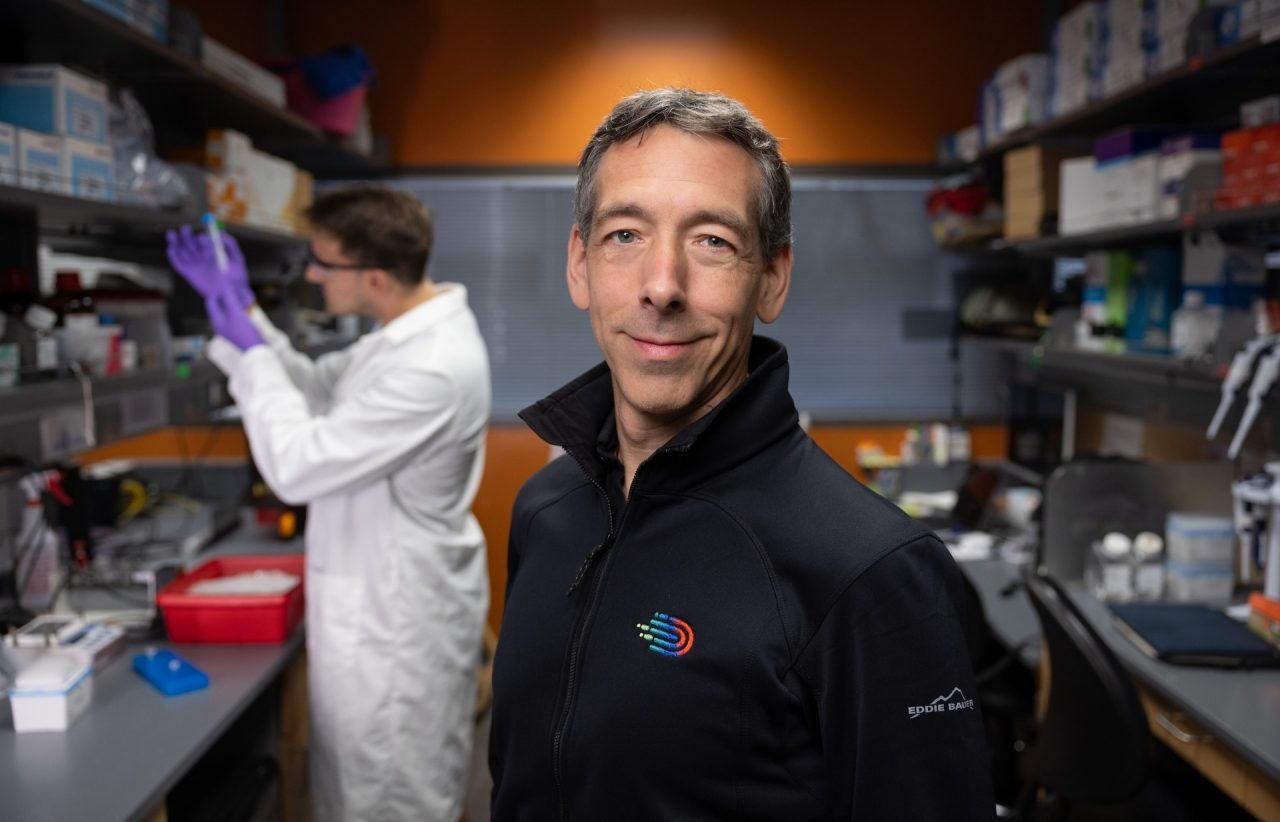
Contact Principal Investigator
Euan A. Ashley, MB ChB, DPhil
Professor of Medicine, Genetics, and Biomedical Data ScienceCenter leadership and AI for cardiovascular medicine.
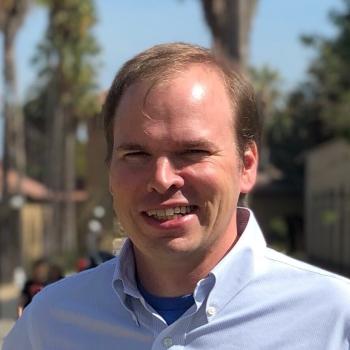
Multiple Principal Investigator
Matthew T. Wheeler, MD, PhD
Associate Professor of MedicineBioinformatics, secure infrastructure, and center operations.
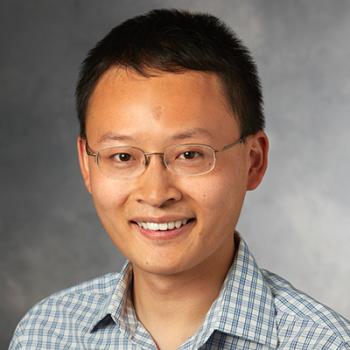
Multiple Principal Investigator
James Zou, PhD
Associate Professor of Biomedical Data ScienceReliable agentic AI and biomedical machine learning.
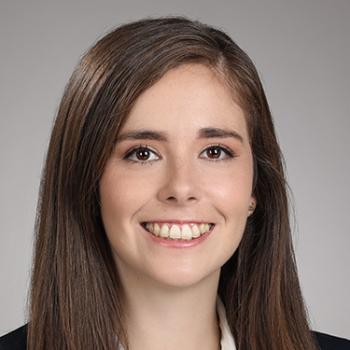
Co-Investigator
Bruna Gomes, MD
Assistant Professor of Medicine and, by courtesy, of Biomedical Data ScienceAI for cardiovascular signals and imaging.
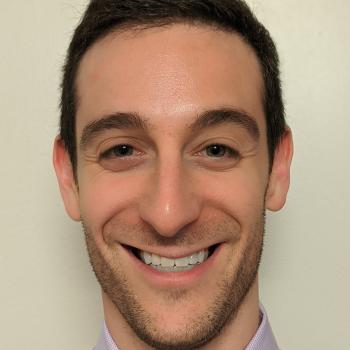
Co-Investigator
Daniel H. Katz, MD
Assistant Professor of MedicineMulti-omic data pipelines and analysis.
Co-Investigator
Jure Leskovec, PhD
Professor of Computer ScienceAgentic systems, machine learning, and governance.
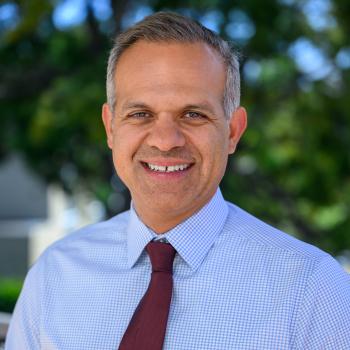
Co-Investigator
Marco Perez, MD
Associate Professor of MedicineDigital health data and cardiovascular model evaluation.
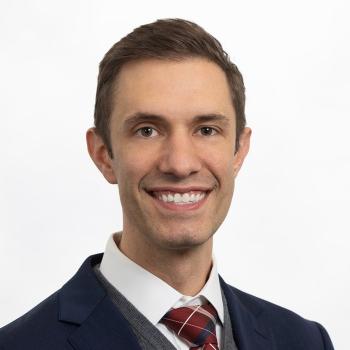
Co-Investigator
Albert “A.J.” Rogers, MD, MBA, FAHA
Instructor of MedicineMachine learning for cardiovascular signals.
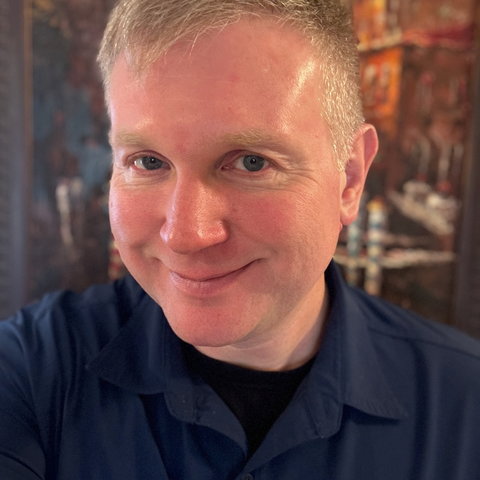
Co-Investigator
Ben Rogers, PhD
Executive Director, Stanford Research ComputingSecure research computing and privacy.
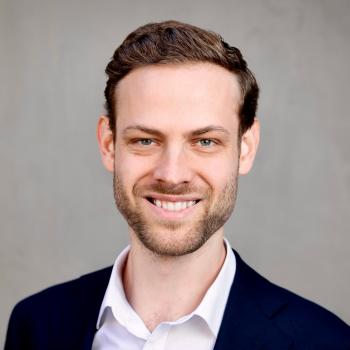
Co-Investigator
Paul Schmiedmayer, PhD
Instructor, Computational MedicineOpen, interoperable agentic AI and multimodal AI models.


Program Manager
Mia Levanto, BS
Clinical Research Coordinator, Cardiovascular MedicineCenter operations and research coordination.
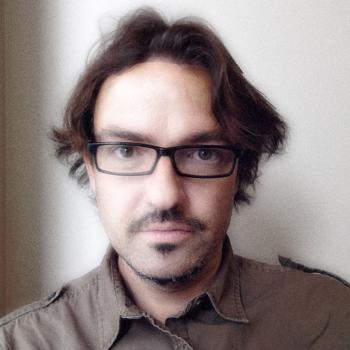
Researcher
David Jimenez-Morales, PhD
Senior Research ScientistReproducible multi-omics analysis and cloud-scale bioinformatics infrastructure.
Researcher
Nikolai G. Vetr, PhD
Research ScientistComplex-trait genetics and multi-omic analysis of exercise.
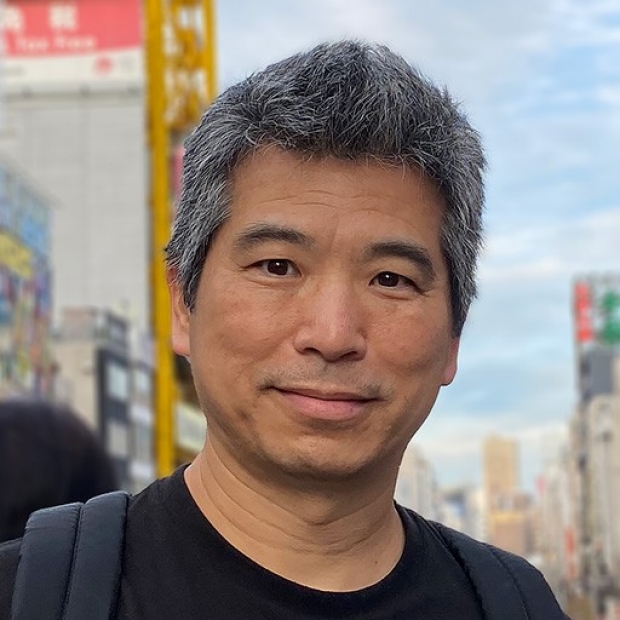
Researcher
Jimmy Zhen, MBA
Software DeveloperResearch interfaces and scalable software infrastructure for biomedical consortia.
Work with the center
Bring a research question, use case, or perspective.
We welcome collaborations on data, secure computing, multimodal models, agentic workflows, evaluation, training, and responsible research practice.